Why the Most Personal Thing You've Ever Made Is Always the Hardest to Release
On the gap between finishing and publishing — and what you are actually deciding when you choose to close it.
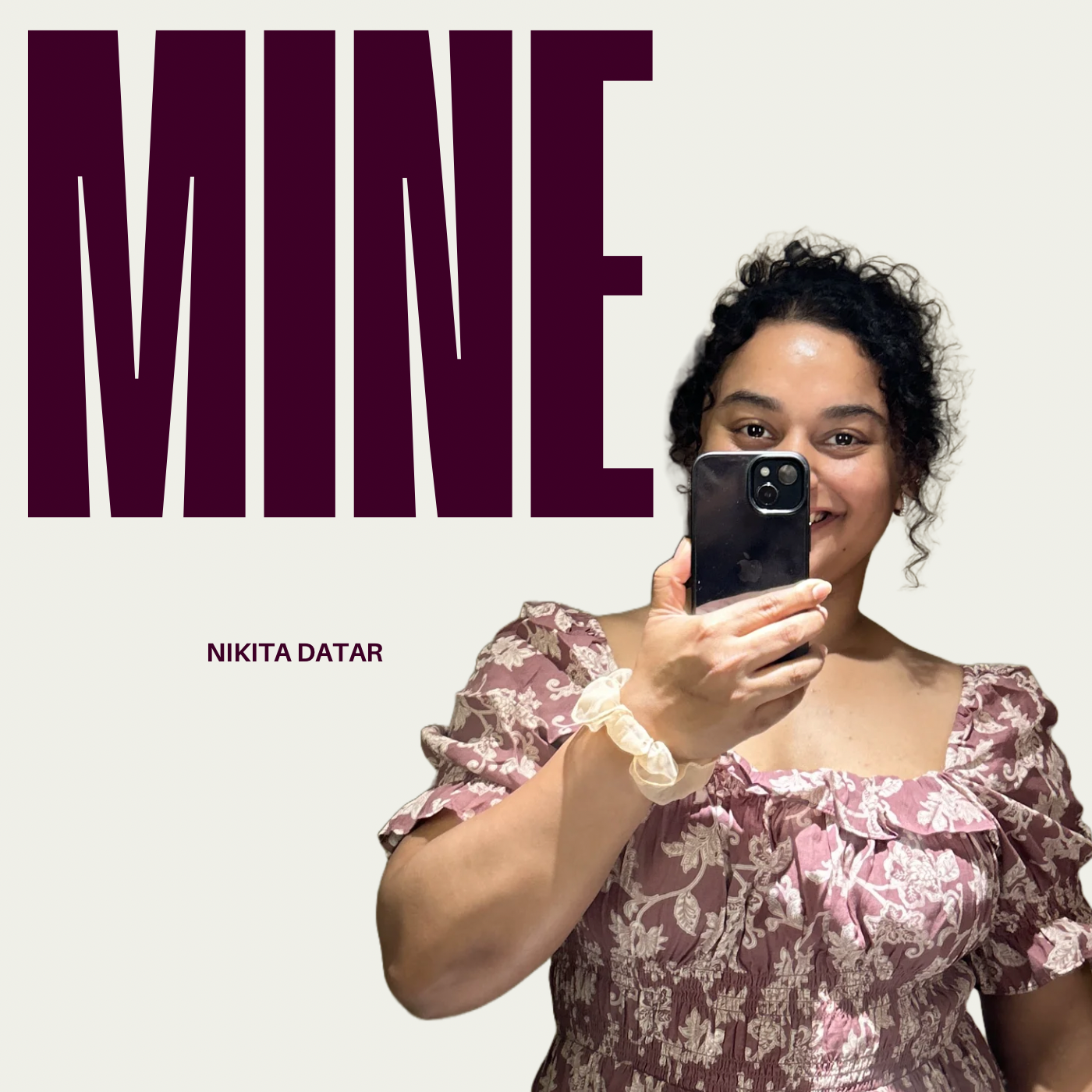
I have been a professional creator for years. I know how to ship.
I have released books, systems, platforms, writing, products, and an entire website with over 1,700 pages. I know the feeling of finishing something and submitting it. I have done it more times than I can easily count.
And then I wrote a song on one of the worst days of my life and it sat in my drafts for two years.
Not because it was unfinished. It was finished the day I wrote it. It was the most complete thing I had ever made, the kind of completion where you look at something and know immediately that nothing needs to change. The melody arrived with the lyrics, and both arrived together, all at once, like the song had always existed somewhere and I was just the person it finally came through.
It sat because it was the most personally true thing I had ever made.
The thing that stays in draft the longest
Here is a pattern I have noticed across people who create things, across writers and musicians and builders and anyone who regularly makes something that did not exist before they made it.
The work that takes longest to release is almost never the work that needs the most revision. It is the work that requires the most exposure.
The unfinished thing that needs more drafts is easy to explain. You leave it because it is not ready. You know the reason. The explanation is clean. But the thing that is finished, that you return to repeatedly, that you know is good, that you keep in a tab while you work on fifty safer things — that is not a draft problem. That is a different problem entirely.
The work closest to you is the hardest to release because releasing it means releasing your claim to the protection that incompleteness provides. While it is in draft, it belongs to you alone. Your relationship with it is private. If it does not land the way you hoped, no one is there to see it not land. The draft state is a kind of safety. The thing exists, but consequences are optional.
What productivity as protection actually looks like
I built things during the two years MINE sat in my drafts.
More books. More pages. More systems. More products. Each one was real work and each one added genuine value. I was not wasting time. I was doing my job by any reasonable measure.
But I was also, specifically and deliberately, staying busy enough that I did not have to address the tab that was always open. The song was always there. The work I kept generating was, among other things, a reason to return to it later rather than now.
Brené Brown, whose research at the University of Houston on vulnerability and shame has been foundational to understanding why people protect their most personal work, describes this pattern as one of the most common forms of what she calls "creative avoidance." The avoidance does not look like avoidance from the inside. It looks like productivity. It feels like responsibility. You are working. You are delivering. You are meeting your commitments. The tab stays open.
The question that eventually has to be answered is: what are you actually working toward, and is that work serving the thing you are protecting, or is it replacing it?
What you are actually deciding
The gap between a finished personal piece of work and its release is a decision about one thing: whether you are willing to be seen.
Fully. In the thing that is most true. With no structure between you and the audience except the work itself.
This is different from the decision involved in releasing safer work. When you release work that has some distance from your core experience, you are deciding whether the work is ready. That is a technical and craft question. You can answer it by looking at the work.
When you release the most personal thing you have ever made, you are deciding whether you are ready. And that is not a question you can answer by looking at the work. The work was ready. You are the variable.
The moment the decision becomes possible
There is a specific kind of clarity that makes this decision possible, and it is different from feeling ready or feeling brave.
The clarity I am describing arrives without warning and does not require courage in the usual sense. It requires the recognition that the protection is costing more than the exposure will. That the thing sitting in draft is more important than the discomfort of releasing it. That the people it could reach are a better reason than the risk of not landing.
For me, the thought arrived on a random day: this song does not deserve an AI voice. It deserves mine. Because it is my story.
The rest followed from that. Releasing it was not the courageous act. The courageous act was recognizing that protecting it was no longer the right thing to do.
For the thing you have in draft
You know what it is.
The project that has been finished for longer than you admit. The piece you return to, revise nothing in, and close again. The thing that is the most honest thing you have made and that you have not let anyone see.
It is not waiting because it is not ready.
It is waiting because you are still deciding whether you are allowed to be fully seen.
You are.
MINE is the thing I finally released — listen to it here →
For the specific version of this that relates to using productivity as avoidance, read I Almost Didn't Put My Name on This.
For what the experience of that release actually felt like, read the full story: I Wrote My Song MINE on One of the Worst Days of My Life.
Nikita Datar · Debut Original · September 25, 2026
MINE
Now available on all streaming platforms
Listen to MINE →Continue exploring